
Magickal Correspondence Reference
Select an intention to view the traditional alignments.
When you make a purchase through links on our site, we may earn an affiliate commission. As an Amazon Associate I earn from qualifying purchases.
What is Plum Pudding?
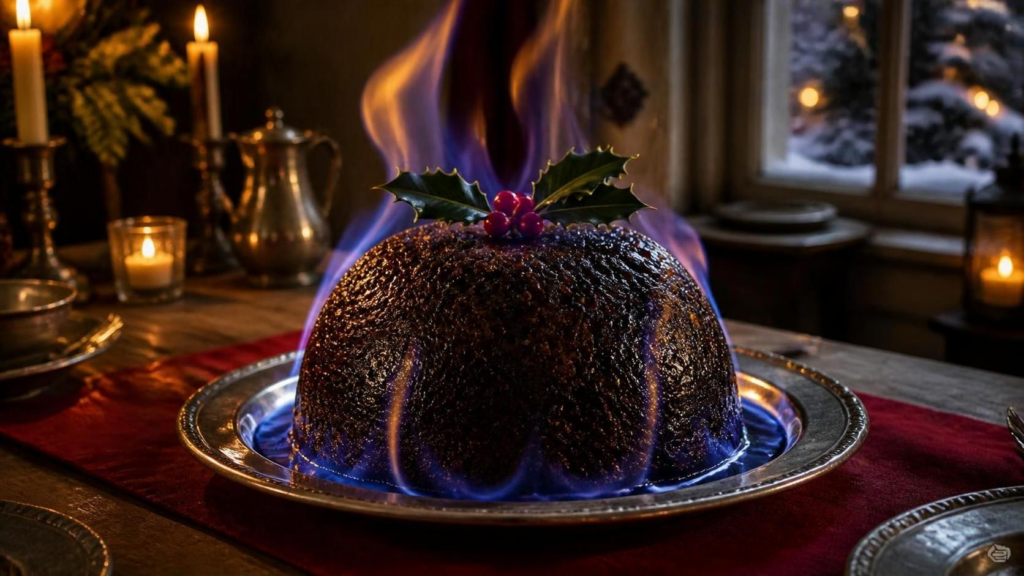
Plum pudding—also widely known as traditional British Christmas pudding—is a rich, steamed fruit dessert with centuries of history. Served warm across Britain, Ireland, the United States, and Commonwealth nations, it stands as one of the most iconic centerpieces of the holiday feast, traditionally accompanied by hard sauce, brandy butter, whipped cream, or a dollop of warm custard.
Why Is It Called “Plum” Pudding Without Any Plums?
Despite its name, traditional plum pudding contains no actual plums! In 17th-century England, the word “plum” was a generic term used for any dried fruit, particularly raisins, sultanas, and prunes. Over time, as pre-Victorian recipes evolved to feature a mix of raisins, currants, citrus peel, and warm spices, the historic title stuck.
If you want to clear mental noise before doing chart reads, try using a 2-minute sound ritual to center your focus.
Authentic 13-Ingredient Christmas Plum Pudding
Crafted strictly with the 13 traditional ingredients representing Jesus and His 12 Apostles, as baked on Stir-Up Sunday since Victorian times.
The 13 Sacred Ingredients
- Raisins: 4 oz dark raisins
- Sultanas: 4 oz sultanas (golden raisins)
- Currants: 4 oz dried zante currants
- Citrus Peel: 2 oz mixed candied peel
- Suet: 4 oz shredded beef suet (or grated butter)
- Breadcrumbs: 4 oz fresh white breadcrumbs
- Flour: 2 oz plain all-purpose flour
- Sugar: 4 oz dark muscovado or brown sugar
- Spice: 1 tsp British mixed spice (or cinnamon blend)
- Eggs: 2 large eggs, lightly beaten
- Spirits: 4 tbsp dark Guinness stout or brandy
- Milk: 2 tbsp whole milk
- Zest: Grated zest of 1 fresh orange
Traditional Preparation
- Soak Fruits: Combine raisins, sultanas, currants, candied peel, and orange zest in a bowl with the stout or brandy. Cover and soak overnight.
- Combine Dry Ingredients: Sift the flour and mixed spice into a large mixing bowl. Stir in the breadcrumbs, sugar, and shredded suet.
- Stir for Good Luck: Add the soaked fruit mixture, beaten eggs, and milk. Have every family member stir the batter from east to west while making a secret wish.
- Steam (6 Hours): Transfer batter into a buttered 1.5-pint pudding basin. Cover tightly with greaseproof paper and foil tied with string. Steam in a covered water bath for 6 hours.
- Age & Serve: Cool and store in a dark cupboard for up to 6 weeks, feeding weekly with brandy. Re-steam for 2 hours on Christmas Day before serving with warm brandy butter.
From 15th-Century Pottage to Royal Holiday Feast
The origins of plum pudding trace back to the 15th century, when it began not as a sweet dessert, but as a savory broth called frumenty or “plum pottage.” Made by boiling beef or mutton broth with wine, dried fruit, breadcrumbs, and spices, it was served at the start of meals.
By the 17th century, the dish evolved into a solid, boiled pudding cooked in a cloth flour bag. Its cultural association with Christmas grew so strong that Oliver Cromwell’s Puritan government briefly banned the dish in 1644, deeming it excessively pagan and indulgent. Following the Restoration, King George I famously revived the tradition in 1714, re-establishing it as a regal Christmas requirement.
Traditions, Symbolism, and “Stir-Up Sunday”
Making a traditional plum pudding is steeped in folklore and ritual:
- Thirteen Ingredients: Classical recipes traditionally call for 13 ingredients, symbolizing Jesus and His 12 apostles.
- Stir-Up Sunday: The pudding is traditionally prepared on the last Sunday before Advent. Family members take turns stirring the batter from east to west in honor of the Wise Men.
- Aging and Maturing: High alcohol content and rich sugars allow the pudding to be made weeks—or even months—in advance. Aging deepens the flavor and moistens the crumb.
- The Flaming Finale: On Christmas Day, the aged pudding is re-steamed, inverted onto a platter, decorated with a sprig of holly, doused in warm brandy, and set alight at the table before serving.
Classic Traditional Plum Pudding Recipe
Yield: 1 Large Steamed Pudding | Prep Time: 30 mins (plus overnight fruit soak) | Aging: 4–5 Weeks
Ingredients
- ¼ lb all-purpose flour
- ¼ lb fresh breadcrumbs
- ½ lb shredded suet (or vegetarian suet)
- ¼ lb dark brown sugar
- ¼ lb molasses
- 4 large eggs
- ¼ lb currants
- ¼ lb sultanas
- ¼ lb dried chopped apricots
- ¼ lb prunes, chopped
- ¼ lb dates, pitted and chopped
- 2 cooking apples (peeled, cored, and chopped)
- 1 oz mixed candied citrus peel
- 2 oz shredded almonds
- Zest & juice of 1 orange and 1 lemon
- 1 tsp salt
- 1 tsp allspice
- 1 tsp ground ginger
- 1 tsp ground cinnamon
- Pinch of freshly grated nutmeg
- 2 tsp brandy (plus extra for feeding & flaming)
Instructions
- Sift Dry Ingredients: Sift the flour, salt, allspice, ginger, cinnamon, and nutmeg into a large mixing bowl.
- Combine Dry Mix: Stir in the breadcrumbs, shredded suet, and brown sugar until evenly blended.
- Add Fruits & Nuts: Add the currants, sultanas, apricots, prunes, dates, apples, citrus peel, almonds, and citrus zest. Stir thoroughly to coat all fruit in flour.
- Mix Wet Ingredients: Whisk together the lemon juice, orange juice, molasses, brandy, and eggs. Pour into the dry mixture and stir until well combined.
- Initial Steam: Pack the mixture tightly into a buttered pudding basin or steamer tin. Cover securely with parchment paper and aluminum foil tied with string. Steam in a covered pot with simmering water for 6 hours.
- Age the Pudding: Remove from steamer, allow to cool, and replace with fresh parchment and foil. Store in a cool, dark place for 4 to 5 weeks to mature, feeding occasionally with a splash of brandy.
- Serve & Flambé: On Christmas Day, re-steam for 3 hours. Turn out onto a plate, douse with warm brandy, light carefully with a match, and serve warm with whipped cream or custard.
Storage, Aging, and Reheating Instructions
Because traditional plum pudding relies on dried fruit, sugar, and high-proof alcohol, it naturally preserves itself and matures beautifully over time.
- How to Store and Age: Wrap the cooled, steamed pudding tightly in fresh parchment paper and aluminum foil. Store in a cool, dark cupboard or pantry for 4 to 8 weeks. Every 1–2 weeks, unwrap the top and drizzle with 1–2 tablespoons of brandy, rum, or cognac.
- Reheating on Christmas Day: On the day of serving, re-steam the pudding in a covered pot with simmering water for 2 to 3 hours until piping hot through to the center.
- Storing Leftovers: Leftovers can be stored in an airtight container in the refrigerator for up to 2 weeks, or wrapped in individual slices and frozen for up to 3 months. Reheat single slices in the microwave for 30–45 seconds.
Magickal Correspondences & Yule Symbolism
In folk tradition and winter solstice rituals, preparing plum pudding on “Stir-Up Sunday” is a sacred hearth ritual—blessing the home and attracting abundance for the solar year ahead:
- Cinnamon & Allspice (Fire Element): Draws warmth, prosperity, and financial luck into the home during the winter season.
- Citrus Peels (Solar Energy): Orange and lemon zest honor the rebirth of the Sun at Solstice, bringing joy, clarity, and uplifting health.
- Nutmeg & Ginger (Protection): Grounding spices that shield the household from stagnant or disruptive energies.
- Dried Fruits (Abundance): Symbolize preserving the sweet harvest of summer and ensuring plenty throughout winter.
- The Flambé Flame (Purification): The ceremonial flame burns away the old energy of the passing year, making space for new blessings.
Frequently Asked Questions
Can you make plum pudding without alcohol?
Yes! Replace the brandy with strong black tea, fresh orange juice, or apple cider. Because non-alcoholic puddings lack the natural preservative properties of spirits, store non-alcoholic puddings in the refrigerator or freezer rather than aging them at room temperature.
When you don’t have 45 minutes for full ritual setups, working with ancient sound frequencies delivers rapid vibrational grounding.
What is the traditional sauce for plum pudding?
Plum pudding is traditionally served warm alongside brandy butter (hard sauce), warm vanilla custard, rum sauce, or fresh double cream.
What can I use instead of suet?
If beef suet is difficult to source, you can substitute vegetarian suet or frozen, coarsely grated unsalted butter. Grating frozen butter produces small fat pockets that melt during steaming, mimicking the light, rich crumb of classic suet.