Magickal Correspondence Reference
Select an intention to view the traditional alignments.
When you make a purchase through links on our site, we may earn an affiliate commission. As an Amazon Associate I earn from qualifying purchases.
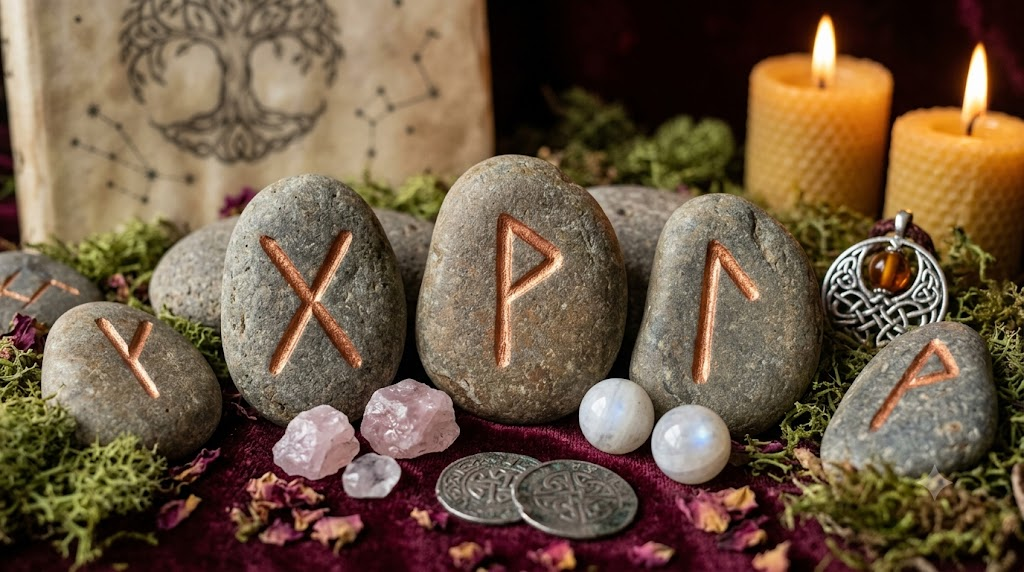
Having an understanding of traditional symbols associated with fortune and alignment can significantly enhance historical esoteric practices. Within the Elder Futhark, specific characters are consistently utilized to represent generative energy, personal strength, and opportunistic attraction. Examining the historical contexts of characters such as Fehu, Uruz, Inguz, Raidho, and Gebo reveals how these ancient runes for luck serve as environmental anchors for focusing intent.
The Elder Futhark Runes for Luck
Each of these historic characters from the Elder Futhark alphabetic system embodies a specific aspect of environmental alignment, personal development, or material transition that traditional practitioners utilized to focus intent.
FEHU
Historically associated with the Norse goddess Freya, Fehu traditionally represents dynamic wealth, prosperity, and mobile abundance. In ancient contexts, this character symbolized cattle and tangible assets, serving as a conduit for hamingja—the traditional concept of personal luck and vitality. When integrated into modern practices, Fehu serves as a reminder to maintain vigilant financial stewardship, recognize the rewards of hard work, and cultivate a strong sense of self-worth.
URUZ
Uruz stands as the runic symbol for physical strength, potent health, and raw generative force. It signals periods of profound transition, internal fortitude, and progress. In divination frameworks and structured charms, Uruz acts as a powerful anchor for overcoming environmental obstacles, warding off negative energy, and reinforcing personal vitality reserves during times of major life changes.

INGUZ
Tied directly to the fertility deity Frey, Inguz represents the successful conclusion of a cycle and the emergence of a prosperous new phase. It embodies potential energy, internal growth, and the arrival of favorable milestones. It serves as an excellent symbol for grounding collaborative projects, welcoming fresh opportunities, or forecasting the successful conclusion of a long-term problem.
RAIDHO
Raidho signifies cosmic order, personal journeys, and right action. It represents both physical travel and the structured alignment of one’s path. In luck-related contexts, Raidho focuses on ensuring that movements, cosmic cycles, and personal decisions are executed in the correct sequence and perfect timing to maximize successful outcomes.
GEBO
Gebo represents the sacred equilibrium of giving and receiving. It embodies partnerships, reciprocal relationships, and unexpected fortune arising from connections with others. This character highlights that true luck often flows through balanced interaction, mutual support, and the honor found within traditional exchanges.
Runic Synthesis and Modern Integration
Historical runic practices rely on using symbols as focused psychological and environmental frameworks to anchor personal goals. By studying the Elder Futhark characters—whether focusing on the abundance of Fehu or the strength of Uruz—practitioners mirror the natural cycles of growth and alignment. Ultimately, these ancient systems provide a structured, timeless methodology for channeling intentional energy toward success.
Traditional Application and Charm Formulation
In historical runic traditions, symbols were rarely utilized in isolation. To concentrate intentional energy toward fortune or protection, practitioners frequently employed specific methodologies to activate and deploy the characters within their environments.
- Bindrunes and Inscriptions: A common practice involves combining multiple characters into a single, cohesive glyph known as a bindrune. For example, intertwining the material promise of Fehu with the reciprocal exchange of Gebo creates a unified sigil designed to attract mutually beneficial financial opportunities.
- Material Selection: Inscriptions were traditionally carved into organic mediums that possessed their own symbolic alignments. Hardwoods like oak (representing resilience) or ash (representing cosmic connectivity) were chosen as physical anchors, along with naturally tumbled stones or metallic surfaces.
- Environmental Placement: Once formulated, these talismans were positioned intentionally within a space. To invite opportunistic attraction or safeguard assets, charms were frequently placed near main entryways, thresholds, or carried as personal pocket pieces to maintain a continuous resonance with the practitioner’s field.